

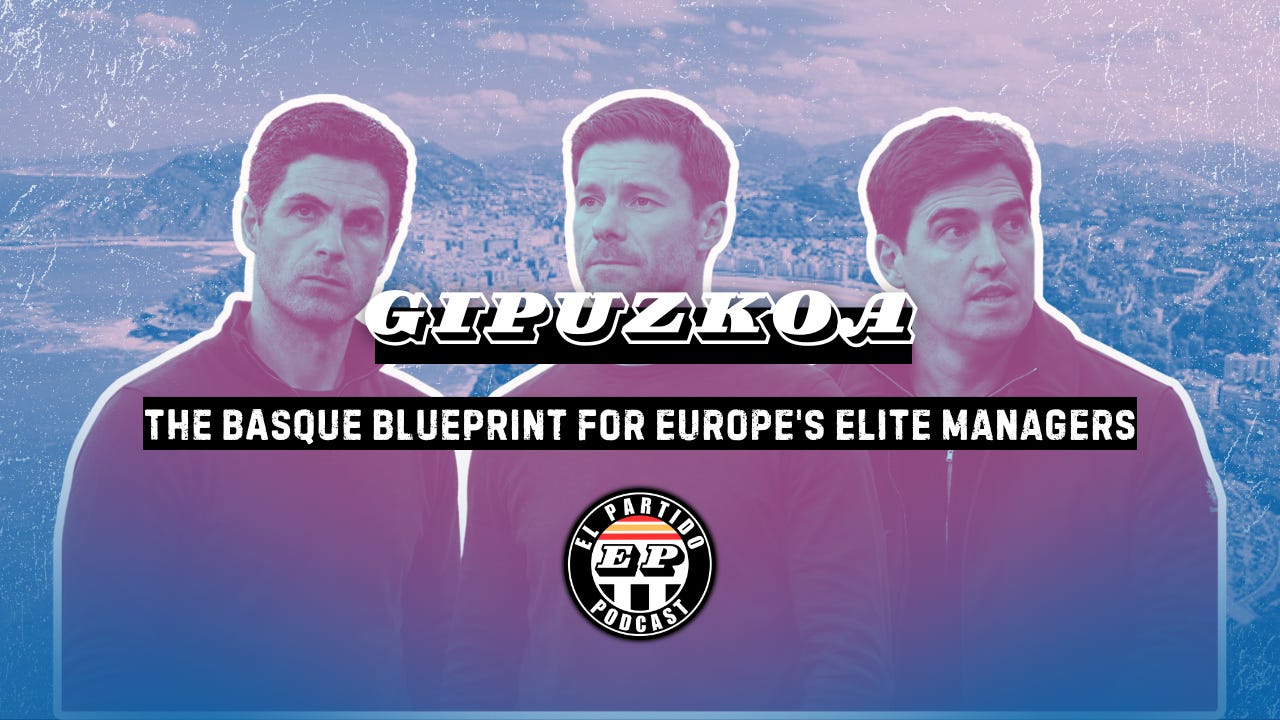
Gipuzkoa
The Basque Blueprint that has become the epicentre of European football.

Standing on the pitch, one could only guess what was going through Mikel Arteta’s mind last night as his team came within inches of winning the Champions League for the first time in Arsenal’s history. His pensive state was momentarily broken as the arm of his opposing manager, Luis Enrique, embraced him to congratulate him for a brilliant game that had gone the distance. Once the pleasantries were completed, Mikel returned to his stoic gaze - but you could tell, this wasn’t one of dwell, of regret… You could see the cogs turning on how he was immediately plotting on how he could take his side one better next season. That’s the mindset of an elite manager and there’s a pocket of the Basque country that is producing more of those than any other part of the world right now…
This is the story of Gipuzkoa.
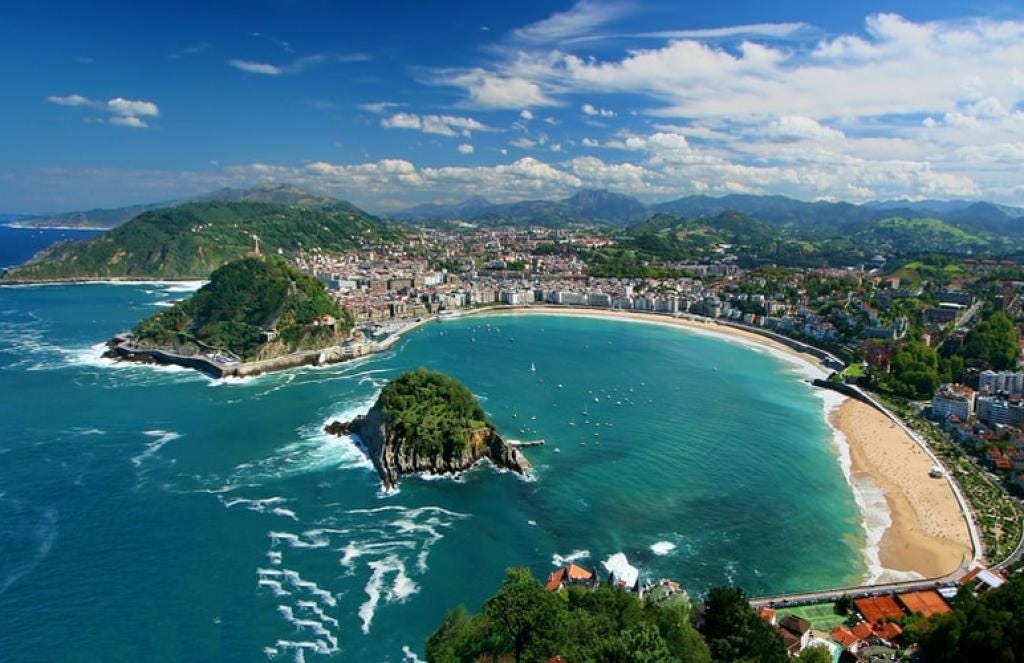
Gipuzkoa is the smallest province of Spain, home to roughly 700,000 people, which is less than the city of Leeds. Wedged inbetween the Pyrenees and the Atlantic Ocean, it is a place of fierce cultural pride and a deep sense of identity which borders on being almost tribal. The capital is Donosita-San Sebastian, famous for its beaches, pintxos bars and the highest concentration of Michelin star restaurants per square metre than anywhere else in Europe.
It is also, right now, home to the most productive factory of elite football managers on the planet.
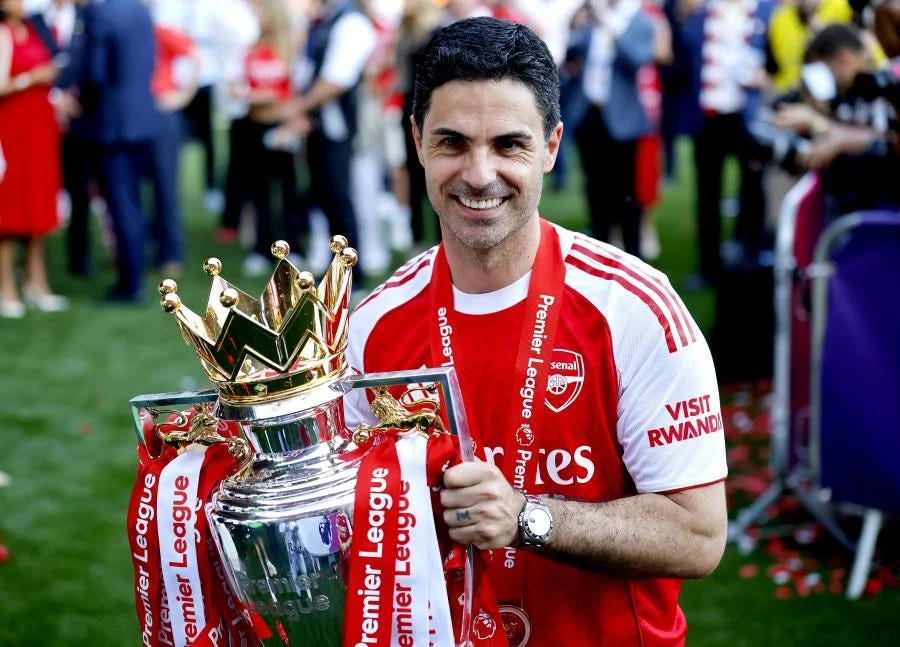
Whilst San Sebastian born Arteta may have lost the Champions League final last night, he has achieved greatness this season by bringing the Premier League back to North London for the first time in 22 years - whilst he was also crowned Manager of the Year. The day before Arsenal were crowned champions, Unai Emery - from the coastal town of Hondarribia - won a record breaking fifth Europa League trophy with Aston Villa, winning their first trophy since the Intertoto Cup in 2001. Andoni Iraola of Usurbil, a town of just 6000 people, strengthened his CV ahead of possible move to Liverpool or Milan by helping Bournemouth qualify for Europe for the first time in their history and Xabi Alonso from the small town of Tolosa was named the new Chelsea manager.
That’s just the beginning of the list. Former Real Sociedad manager Imanol Alguacil and former Spain manager Julen Lopetegui call Gipuzkoa home. Just across the provincial border, Jose Luis Mendilibar, Jagoba Arrasate and Pep’s long term assistant manager Juan Manuel Lillo all come from this small area of the Basque country that has a higher concentration of coaching talent that has no parallel anywhere in world football.
So where did this all begin?
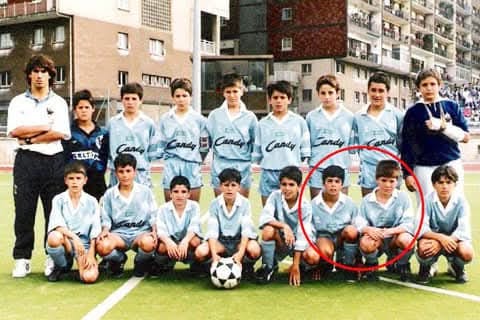
At the heart of this phenomenon is a modest amateur youth club from the outskirts of San Sebastian - a club called Antiguoko. Whilst the club has no professional side and isn’t a youth academy to the scale of La Masia or Lezama, they have still managed to produce 3 of the football managers who are at the forefront of world football right now.
"This is something that, in Gipuzkoa, we have in our blood," says Montiel. "From childhood, what you are taught is to know how to compete. You can win or lose, but you must always compete."
Arteta, Alonso and Iraola all passed through the club ranks, with the two former playing alongside each other at youth level before Arteta made the move to La Masia. Those players haven’t forgotten their routes with Antiguoko and regularly make appearances at the club to show their support to the club that forged them , with Iraola even going one step further, coaching the Under-18s there whilst he was studying for his UEFA Pro-Licence. The philosophy that Antiguoko instill in their players is telling. The emphasis relies on possession based football, technical development of players and footballing intelligence - traits you can see that run through the likes of Arsenal and Bournemouth today and especially with Alonso’s Leverkusen side during their unbeaten season in the Bundesliga. That high-energy brand of football that is now so highly sort after in Europe’s elite football clubs has stemmed from this small provincial club in Gipuzkoa.
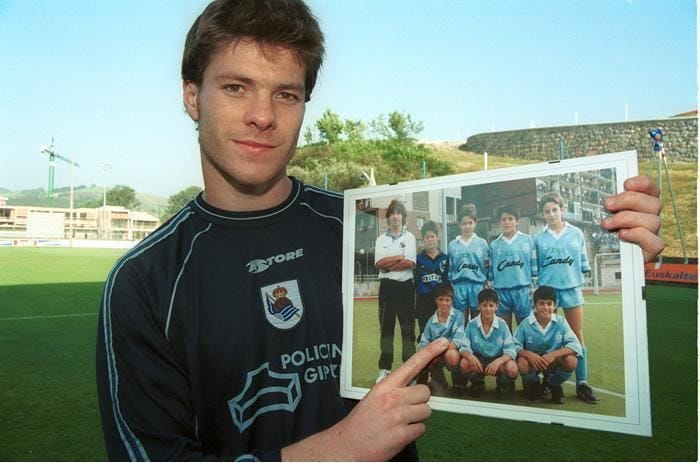
There are instances of these kind of stories everywhere, take Wallsend FC for example. So what is it about this particular corner of Spain that makes football managers so good?
When Arteta was asked the question, his response was “We have the best food in the world”. He may have said it jokingly but there is probably some truth to that. As Virginia Woolf once said:
“One cannot think well, love well, sleep well, if one has not dined well.”
Those who study the region of Gipuzkoa more seriously point to something much deeper about how the people from this small province think. Gipuzkoa has a long tradition of industrial and entrepreneurial achievement that expands well beyond the Michelin star restaurants of San Sebastian. They were first people to circumnavigate the globe during the Magellan expedition led by Juan Sebastián Elcano of Getaria. They are pioneers in social services and co-operative enterprise with the Mondragón Corporation being one of the world’s most famous worker co-operatives. When the Franco regime attempted to eradicate the Euskadi identity during the years after the Civil War, Gipuzkoans kept the culture, the language and identity alive in the face of fascist tyranny. Their culture is one of collective endeavour, continuous improvement and fierce pride.
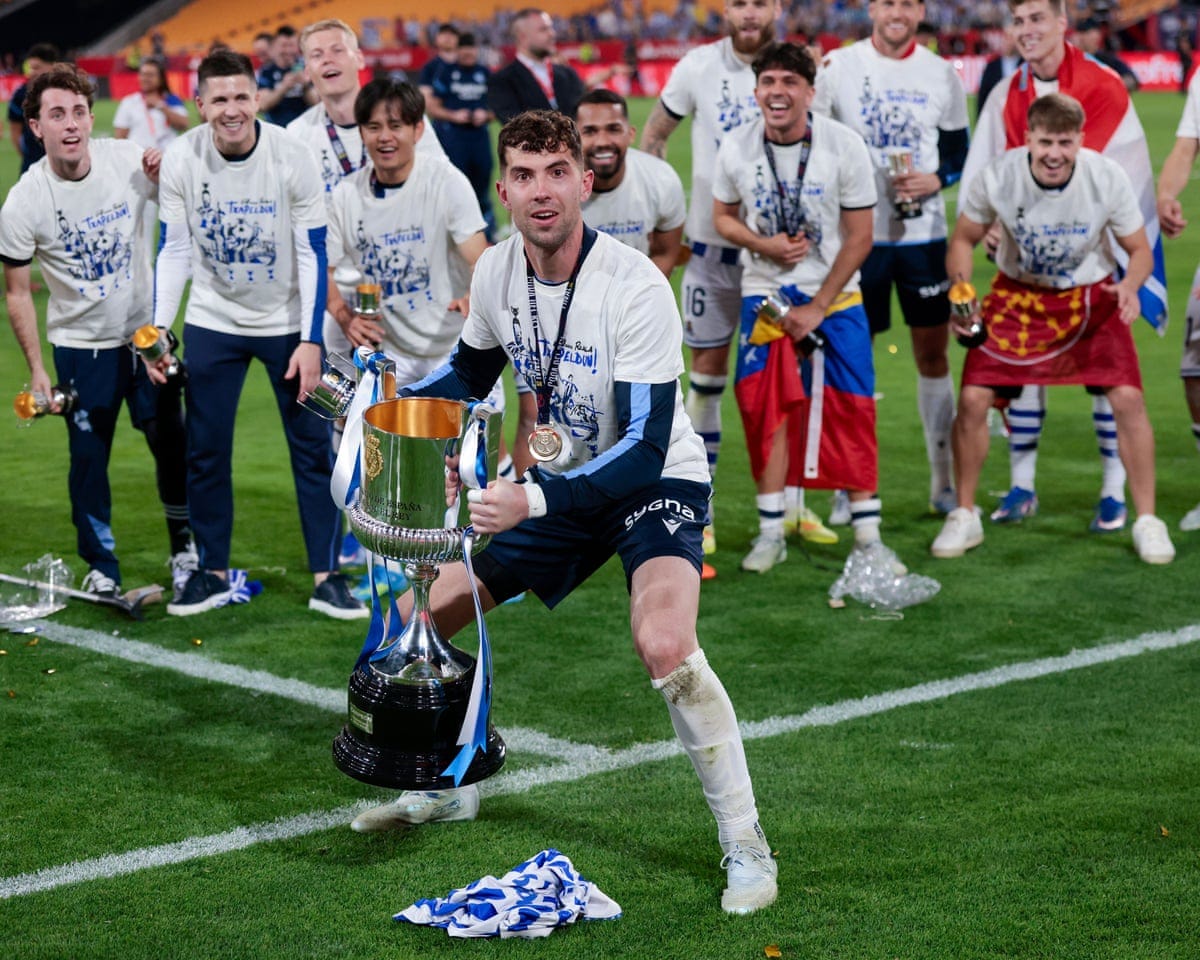
You can see the same influence of that culture on the regions footballing institutions. Whether it is the youth sides of Antiguoko embracing their philosophy or Athletic Club’s policy of only fielding players of Basque heritage, that fierce pride and collective endeavour has helped this region become a global footballing powerhouse. The biggest club in Gipuzkoa, Real Sociedad, has a long tradition of producing some of Spain’s best talents with Arteta and Alonso both passing through it’s club during their formative years. Every manager who has been mentioned in this article so far have passed through a Basque system in some form - absorbing its values, the technical demands and its sense of identity!
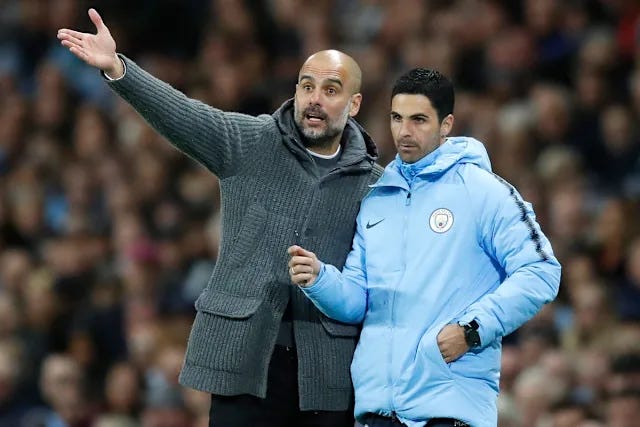
In spite of the aura of majesty around these managers, they’ve also had to earn their positions. Arteta spent years playing under Arsene Wenger before becoming an assistant manager to Pep Guardiola. Alonso spent his playing career under the guidance of Benitez, Mourinho, Ancelotti and Pep whilst Iraola was a mainstay at San Mames under the likes of Biesla and Valverde. The outlier here will be Unai Emery who forged his own path, studying and adapting obsessively over the last two decades to get him the opportunities he’s had. The point being, none of them arrived at the top through luck - they prepare as if coaching were a profession to be mastered like any other, just like a Michelin star chef or a voyager aiming to explore the world.
In a sport that increasingly rewards financial power, global footballing networks and corporate machinery, it is testament to the character and culture of this small area the size of Surrey that has produced something that no transfer budget can buy - a generation of managers who know not just how to win, but how to build something incredible that can guarantee success.